Since the dusty days of Alpha 1.0.6, the humble cactus has stood sentinel in Minecraft’s deserts, often overlooked as little more than a botanical nuisance. Most players only interact with it when a skeleton takes an ill-advised shortcut or when a moment of carelessness leaves them with a chestful of needles and a bruised ego. But dismissing this block as merely decorative is like ignoring a Swiss Army knife because it’s green and prickly — there’s far more utility hiding beneath that spiky exterior. As 2026 continues to see builders and engineers push the limits of vanilla gameplay, the cactus has quietly evolved from background flavor to a surprisingly versatile tool. Whether you’re a seasoned survivalist or just beginning to dig your first desert temple, these eight applications will reshape how you view this arid-adapted organism.
1. Feed the Composter for Effortless Bonemeal
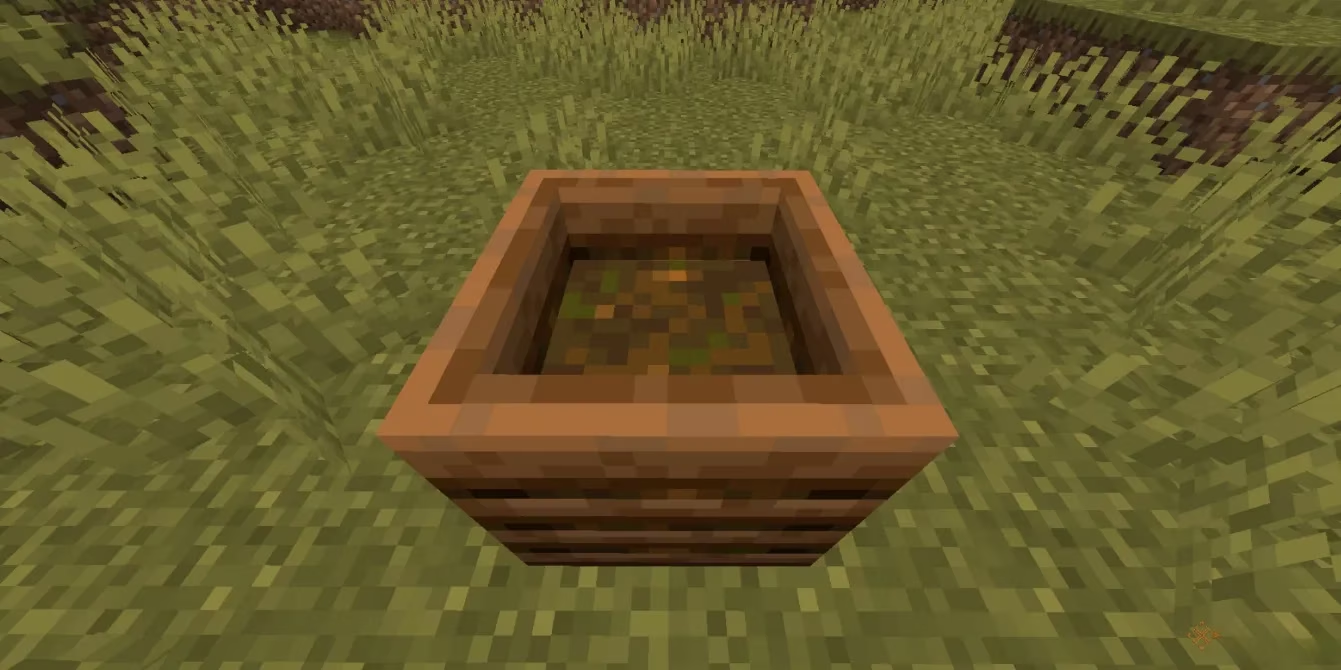
Bones aren’t the only path to white dust. A composter, that wooden drum of decay, turns organic matter into bonemeal with a satisfying green pulse. Each cactus block has a 50 percent chance of raising the compost level — not a guaranteed yield, but remarkably efficient when you consider the plant’s stubborn refusal to need water, light, or even tilled soil. Whereas a wheat farm demands an intricate network of hydration and a sugarcane patch clings to shorelines, a cactus farm can be crammed into any forgotten corner of your base and still produce stacks of green fodder for the composter. Think of it as converting the desert’s stoic patience into agricultural nitro — a slow-grow, high-return loop that can fuel massive crop expansions and wood factories without ever picking up a sword.
2. Smelt into Green Dye
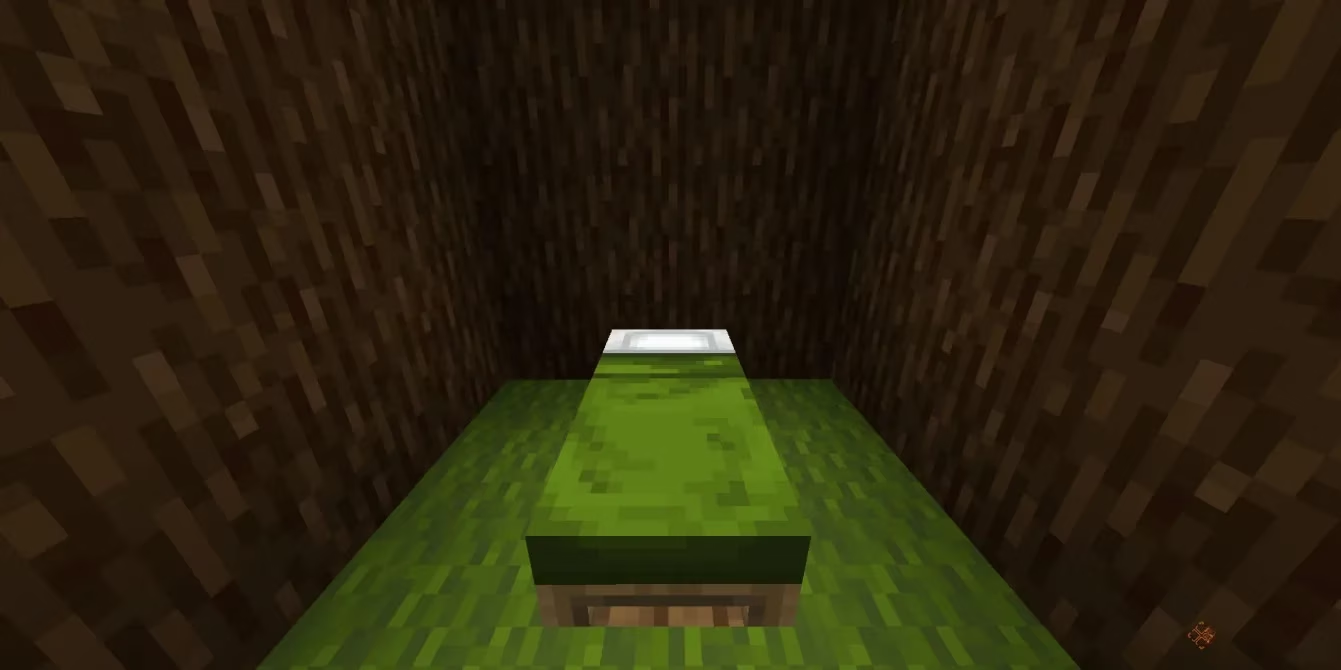
The oldest trick in the codex still deserves a fresh spotlight. Smelting a cactus block in a furnace yields cactus green, one of the most underutilized pigments in the game. While builders often drift toward vibrant reds, blues, or yellows, that rich emerald shade can transform a mundane interior into something that whispers of jungle canopies and hidden temples. Carpets, beds, banners, terracotta, concrete powder — all accept this dye, and layering it with other colors opens up a palette of muted olives and deep forest tones. The process is so straightforward it’s almost meditative: pop a stack of cactus into a furnace, wait for the puff of experience, and collect your pigment. No hostile mobs, no rare flowers, just a cactus’s quiet alchemy.
3. Build a Living, Damaging Perimeter Wall
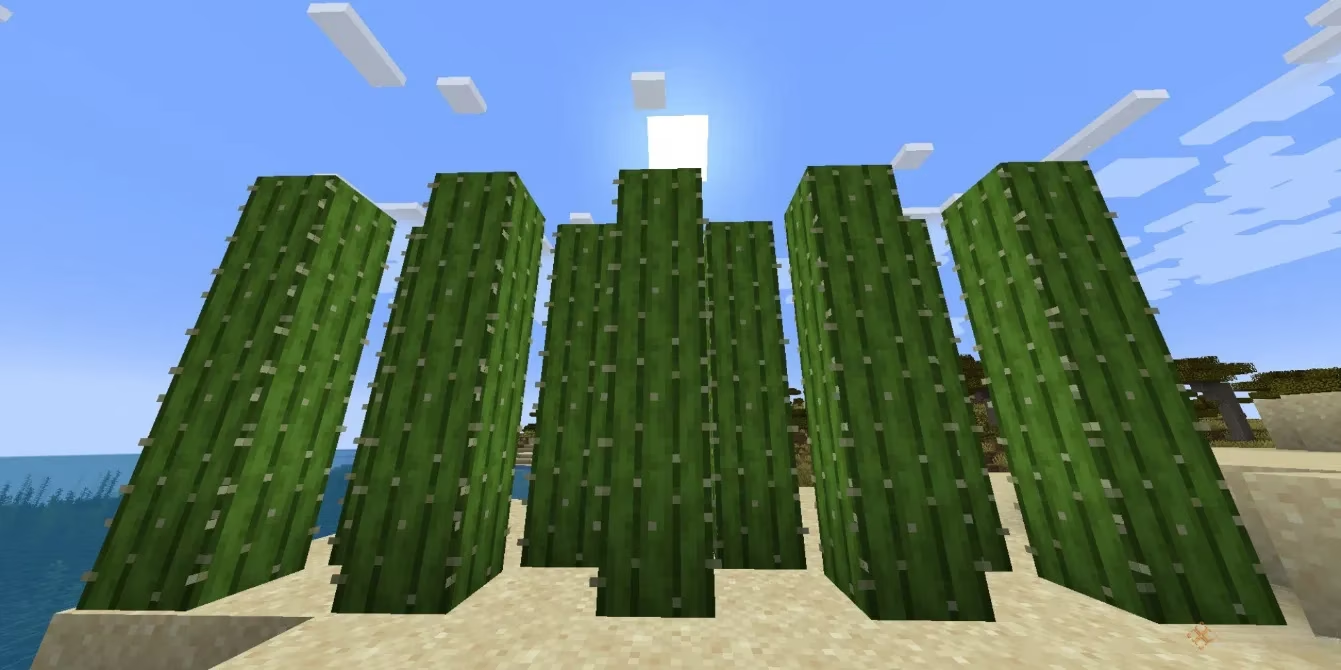
Forget stone bricks and iron bars; the most menacing fence in Minecraft is organic barbed wire. Because cactus blocks cannot be placed adjacent to other blocks, a defensive wall requires a staggered, two-block-wide design — a zigzag pattern that looks like the spine of some ancient desert wyrm. The beauty isn’t just aesthetic. Mobs are pathfinding-blind to cacti; they blunder into them as if the spikes were invisible, taking damage every half-second. Spiders, those climbing intruders, are just as helpless. A double-row cactus perimeter not only shreds zombies and creepers before they reach your doorstep but also permanently solves the problem of lurkers scaling your walls. It’s passive protection that asks for nothing except a bit of sand and time, making it ideal for early-game hardcore worlds where every heart matters.
4. Automate a Cactus Farm
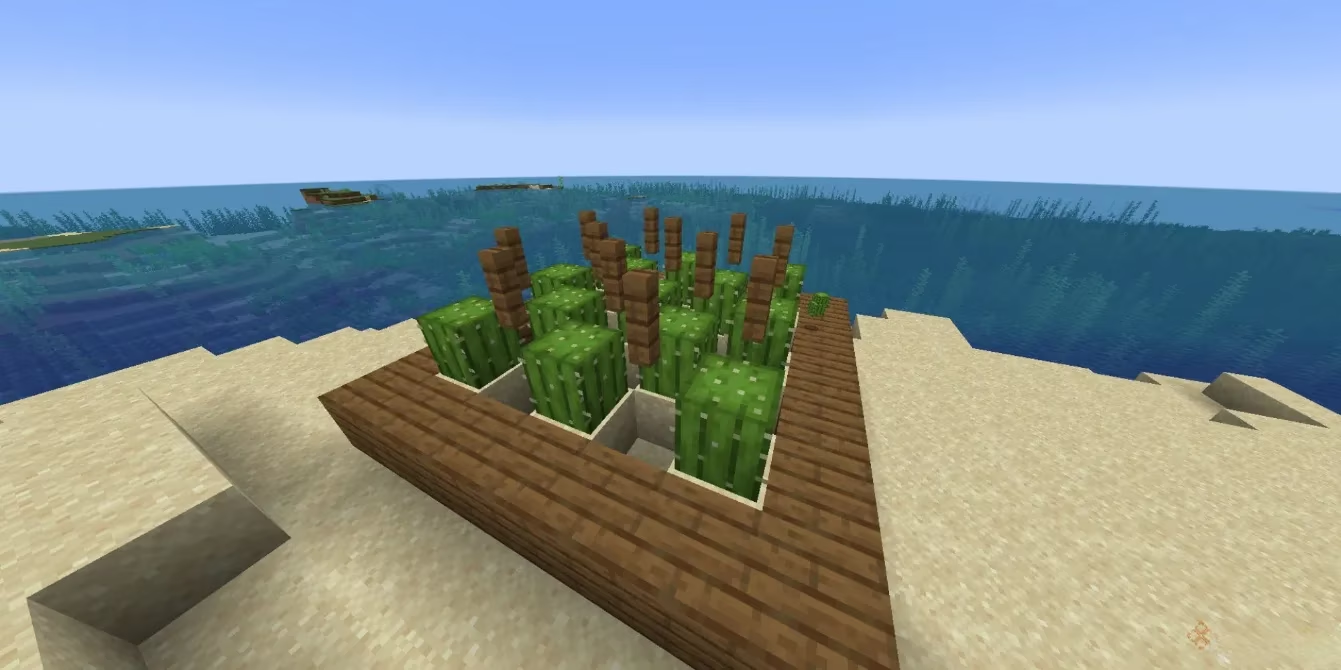
A cactus farm runs like a spiky assembly line — simple, rhythmic, and endlessly productive. Unlike the piston-driven chaos of a sugarcane harvester, a cactus auto-farm can be built with zero redstone knowledge. The principle is elementary: place a solid block directly above the second cactus block, so that when the third block attempts to grow, it pops off instantly as an item. Hopper minecarts or water streams funnel the harvest into chests while you’re away exploring pale gardens or hunting the elusive warden. Expanding the farm is a matter of adding more rows, not more complexity. Within a few real-world hours, you’ll have more green material than you’ll know what to do with — perfect for feeding all the other strategies on this list.
5. Milk the Furnace for Extra Experience
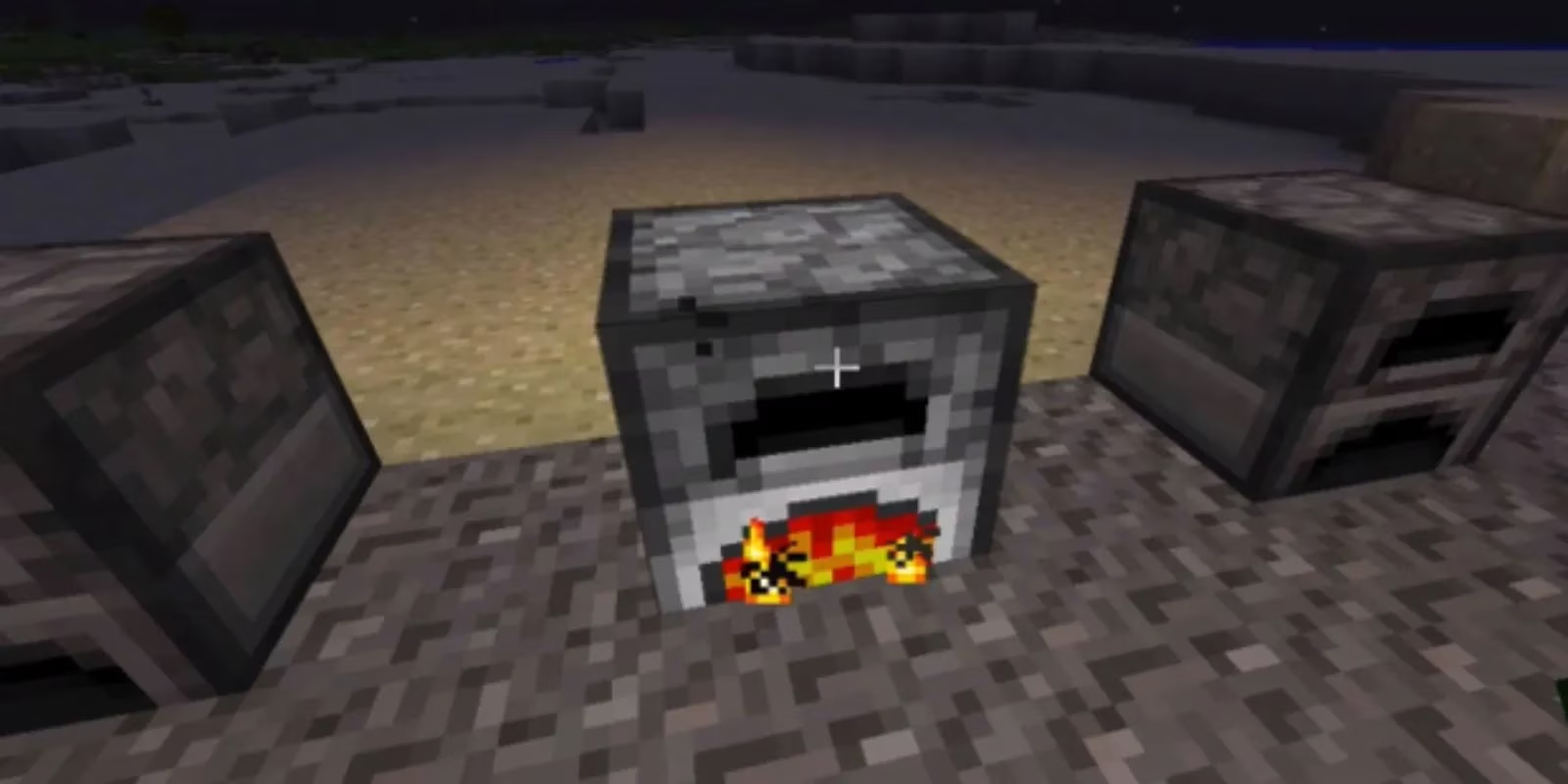
Experience points rarely come in such a calm, stackable form. Each cactus block smelted grants exactly one XP point — a pitiful amount individually, but when you run a bulk operation, those points accumulate like snowflakes becoming an avalanche. To move from level 1 to level 30 solely on cactus smelting, you’d need 1,395 blocks. That sounds daunting until you realize a modest auto-farm can generate that in an afternoon while you’re building or mining. Pair a hopper-fed furnace array with a lever-activated collection system, and you’ve built a XP bank that requires no combat, no spawner farming, and no risk. It’s an especially valuable technique on servers where hostile mob drops are at a premium or in peaceful mode where other XP sources dry up.
6. Tame and Breed Camels
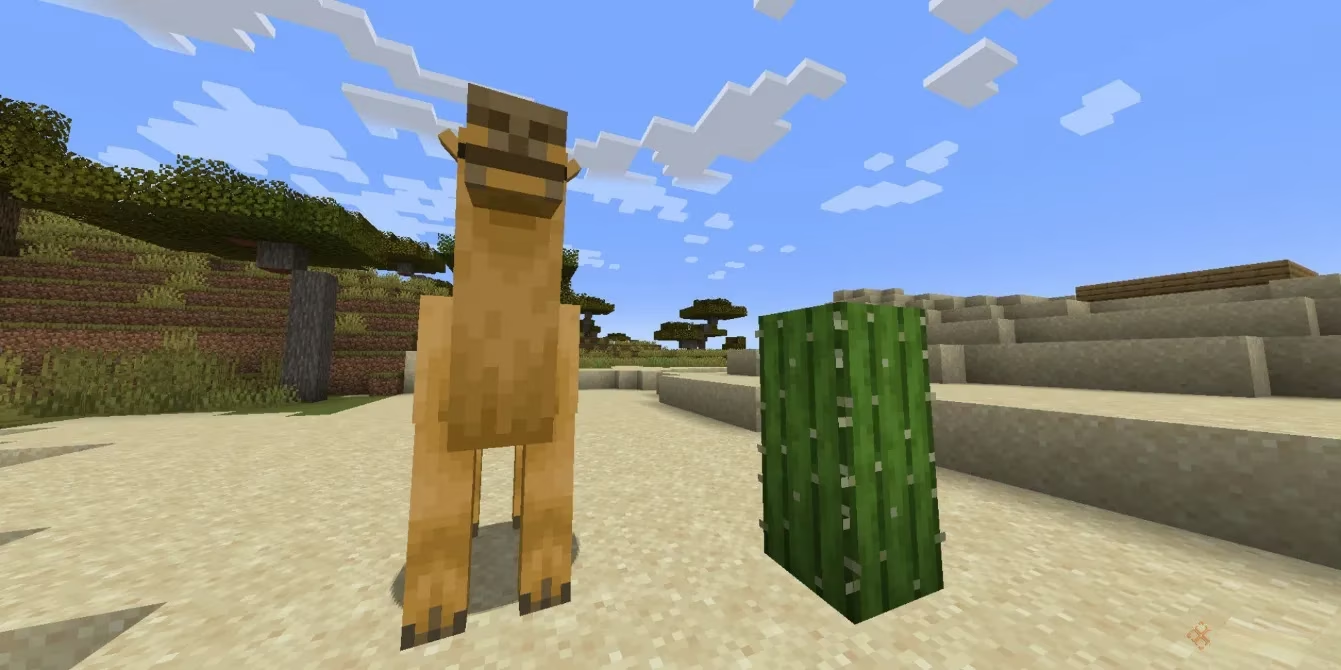
The dromedaries introduced in the Trails & Tales update have a singular obsession: cactus. Holding a cactus block in your hand turns you into a pied piper of the dunes, luring camels with a magnetism that rivals chickens chasing seeds. Beyond simple transport, cactus is the key to camel reproduction — right-click two adults with the block and they’ll enter love mode, producing a wobbly calf. Feeding that calf additional cactus shaves 10 percent off its maturation time, letting you grow a caravan with impressive speed. In a world where traversing desert biomes can feel like a marathon through treacle, a well-tamed camel is worth its weight in gold, and cactus is the currency.
7. Construct a Flawless Garbage Disposal
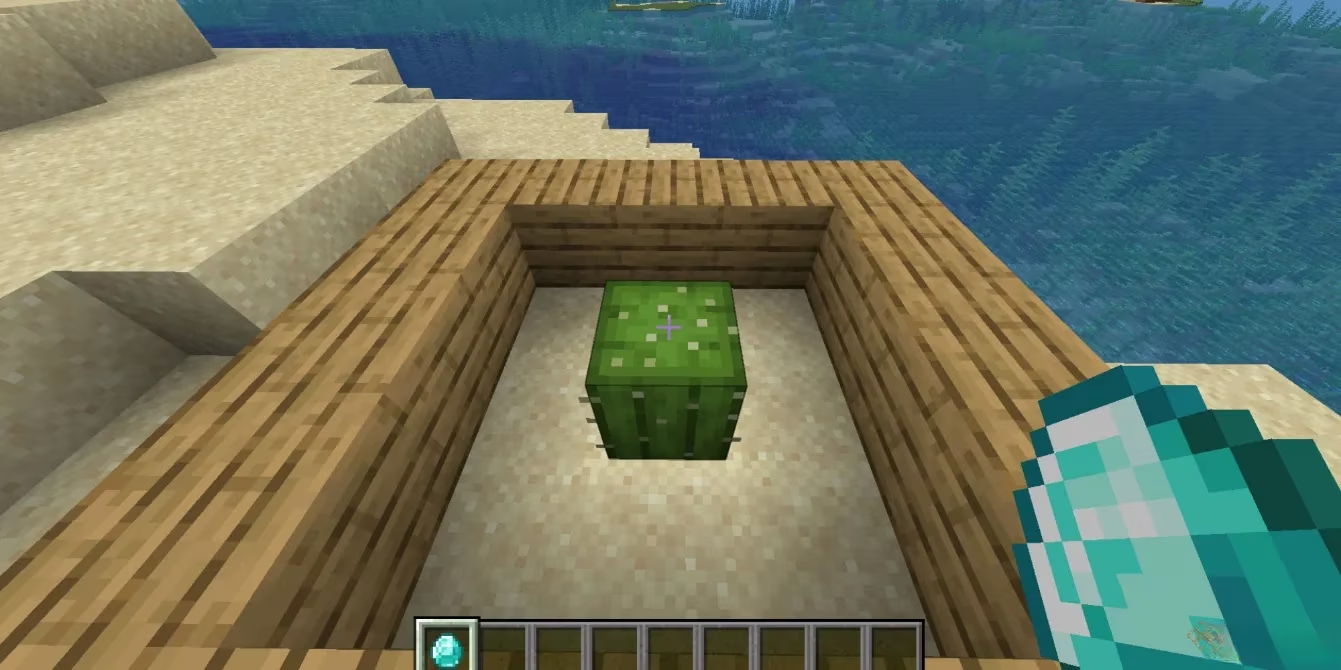
Lava trash cans carry a silent pyromania — a stray flame can creep through an open airway and ignite your carefully polished oak floor. A cactus disposal, by contrast, is nature’s hazard-proof shredder. Drop any item onto a top-positioned cactus block and it vanishes with a soft pop, destroyed by the same damage tick that harms players and mobs. Encase it in transparent blocks like glass or trapdoors to prevent accidental self-injury, and you have a bin that is both safe and infinitely reusable. No bucket-lugging, no obsidian framework, just a single block that dismantles your unwanted cobblestone, rotten flesh, and surplus seeds with zero dramatic fire particles.
8. Integrate Cacti into Minecart Stations for Instant Breakage
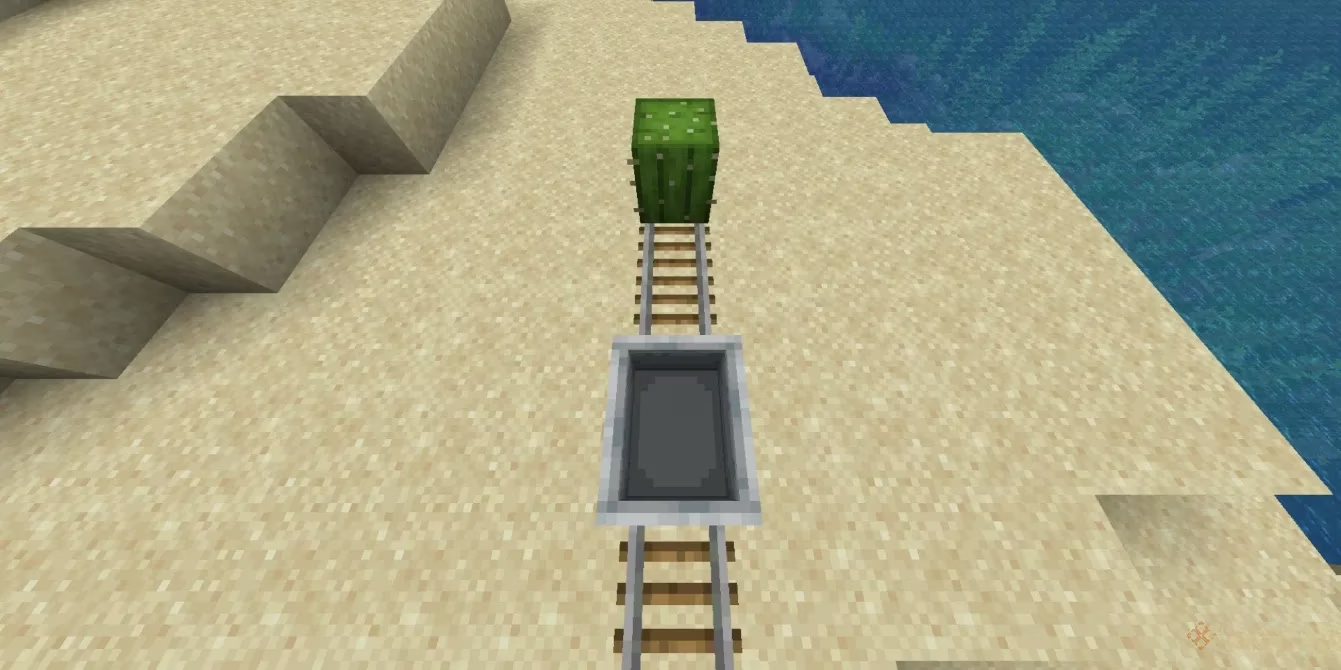
Large multiplayer rail networks often choke on abandoned minecarts — players disembark, leaving their carts idling on the track until an admin clears them with a sweep. The cactus solves this with the elegance of a needle’s touch. Place a cactus at the terminus of each rail line, aligned so the unoccupied cart collides with it the moment you hop out. The cart breaks instantly, dropping as an item that can be funneled back into a dispenser system or storage minecart for the next rider. It’s a technique that transforms chaotic train depots into self-cleaning circuits, saving the seconds normally wasted swinging a pickaxe. If your server’s nether hub feels more like a graveyard of carts, this is the prickly cure.
Each of these uses peels back another layer of cactus utility, revealing a block that demands more respect than its spiny reputation suggests. Like a desert aloe that hides medicinal gel beneath a thorny rind, the cactus rewards those who dare to experiment beyond the obvious.
Comments