As I sink into my worn couch in the quiet Midwest suburbs, the glow of the screen becomes my portal—a shimmering escape from the mundane rhythms of daily life. In 2025, the digital realms I explore are not mere distractions but vibrant tapestries woven with threads of fantasy and rebellion, where the ordinary mind is a cage and only the wild spirit finds freedom. Like a moth drawn to a flame that burns with impossible colors, I've learned that these games demand we shed our real-world skins; they punish reason with boredom, hinder logic with chaos, and transform the familiar into a labyrinth of missed wonders. For in these worlds, playing by the rules of reality is akin to trying to catch moonlight in a net—it slips through, leaving only shadows. 🎮✨
The Stanley Parable
To call The Stanley Parable a game that punishes you feels like accusing a mirror of reflecting lies—it's not wrong, but it misses the essence. As I wandered its sterile office corridors, the narrator's voice became a constant companion, urging me toward the 'normal' path: follow instructions, complete tasks, and achieve the expected end. Yet, the true magic unfolded when I rebelled, ignoring commands to open doors or take elevators. Each defiance carved a new pathway, revealing hidden endings and absurd twists. If I had played it reasonably, like clockwork ticking in sync with life's routines, I would have missed the kaleidoscope of possibilities. This game is a river of choices, where swimming against the current reveals islands of wonder, while floating downstream leaves you stranded in a desert of predictability. 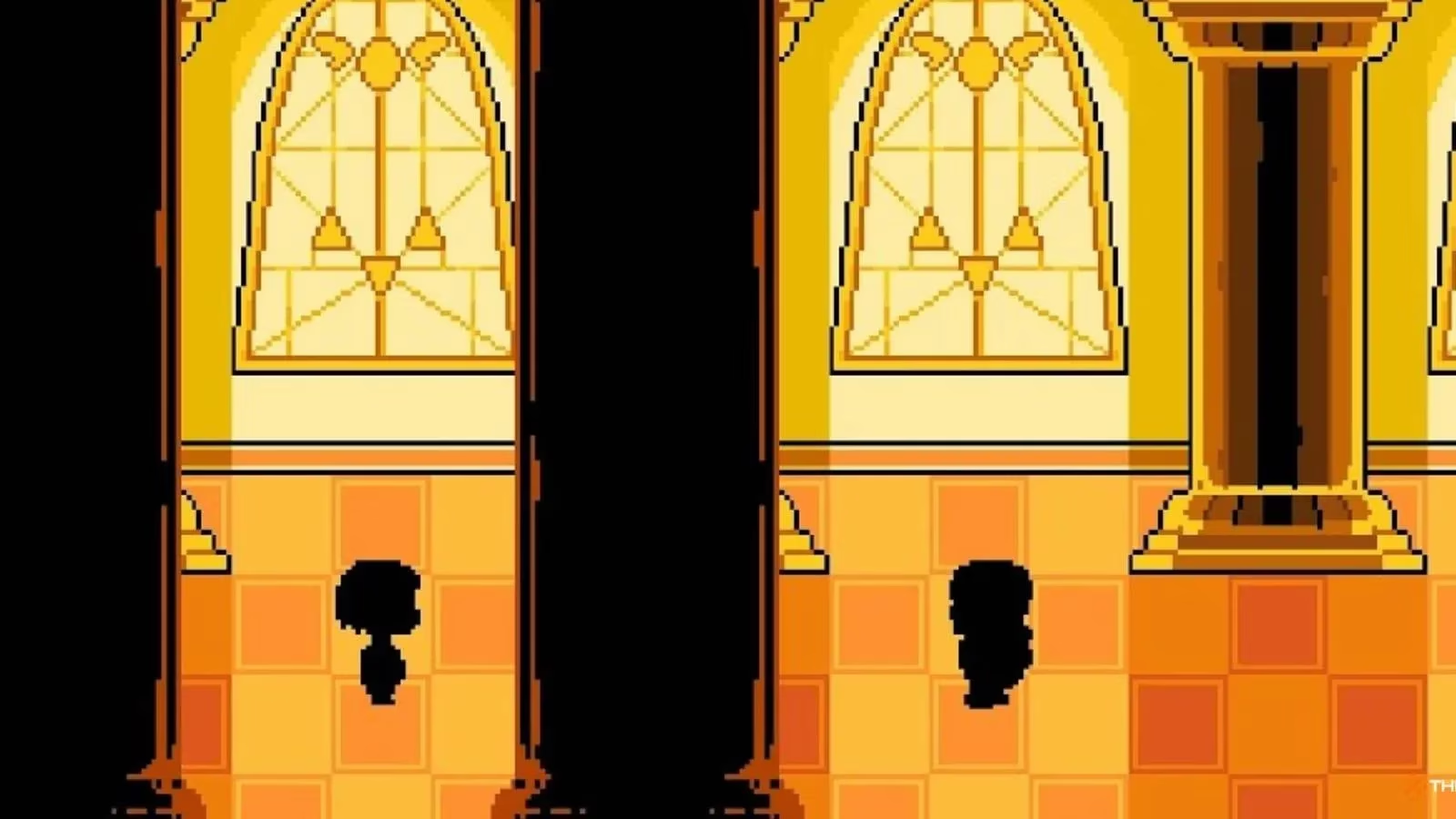
Undertale
Undertale, that indie gem, shattered my RPG expectations like a fragile vase dropped from a great height. In 2025, it still resonates as a testament to subversion. I entered thinking of Final Fantasy or Pokemon—battle monsters, gain EXP, and conquer. But here, I discovered a path of mercy: sparing enemies, talking instead of fighting, and weaving bonds that altered the very fabric of the story. Playing it 'normally' led to a grim, hollow experience, where violence bred isolation and missed the richness of pacifist routes. The genocide route, with its haunting battles, felt like a punishment for my initial assumptions, a stark reminder that kindness can be the bravest rebellion.
Cruelty Squad
Cruelty Squad greeted me with visuals that screamed chaos—a garish, dissonant mess that made my eyes ache. Dismissing it as unplayable was the reasonable response, but that's precisely where it punishes you. As I dove in, expecting sleek mechanics and intuitive design, I found the opposite: every color clashed, every shape distorted, and gameplay defied logic. To embrace it, I had to abandon all norms, like a sailor casting off into a storm without a compass. Only then did the majesty emerge—a surreal, rewarding chaos where normalcy was the anchor dragging me down. This game is a fever dream, demanding you dance in the rain of absurdity rather than seek shelter.
Tomodachi Life / Miitopia
In Tomodachi Life and Miitopia, I crafted a menagerie of Miis—Randy Savage rapping with Freddy Fazbear, absurdity incarnate. Yet, creativity isn't my forte; I'm no artist, and thinking up wild characters felt like trying to sculpt clouds. But these games thrive on that madness. Playing 'normally' with safe, familiar faces led to dull interactions, but when I embraced the bizarre—specific quirks, outrageous backstories—the world bloomed with humor and depth. It's a canvas where restraint paints in grays, while wild strokes splash rainbows. 😂
The Sims
The Sims mirrors life, yet it's a funhouse reflection. I made a digital version of myself, only to realize that replicating my daily grind—work, eat, sleep—was a snooze-fest. Instead, I threw pool parties, mastered skills in hours, and lived outlandishly. Playing it reasonably, like my real 2025 routine, missed the point: this game punishes normalcy by hiding its silliest joys, like a treasure chest buried under routine. It taught me that virtual life should be a carnival, not a commute.
Spec Ops: The Line
Spec Ops: The Line started as a standard military shooter—shoot enemies, be the hero. But as I progressed, the narrative twisted into a harrowing tale of war crimes, with the game berating me for my actions. I had no choice; it was scripted. Yet, playing it like a 'normal' shooter felt like walking into a trap, punished by guilt and moral weight. It's a mirror that cracks under pressure, showing how blind obedience leads to ruin. 💥
Telltale’s The Walking Dead
In Telltale’s The Walking Dead, I guided Clementine through a zombie apocalypse, making life-or-death choices. Often, the reasonable option backfired—trusting someone led to betrayal, while risky leaps saved lives. Playing like a normal person, cautious and logical, only got characters killed. It's a tightrope where safety nets are illusions, and only daring steps keep you aloft.
The Witcher 3
The Witcher 3, hailed in 2025 as an RPG masterpiece, lured me with moral choices. I picked the 'good' options, expecting positive outcomes, but was punished with worse fates—like choosing to save a village only to doom it. The corrupt paths often yielded better results, a cruel irony that made me question virtue. Of all games, this one stings the most, a thorned rose where beauty hides pain. It's a labyrinth where the straight path leads to dead ends, and only crooked turns reveal the exit. 🏰
FAQ: People Also Ask
- What games actively punish players for normal behavior?
Games like The Witcher 3 and Undertale reward unconventional choices, such as sparing enemies or embracing moral ambiguity, while punishing logical play with negative outcomes.
- How can I enjoy games that defy realism?
Approach them with an open mind, like diving into a surreal painting—let go of expectations and embrace chaos to unlock deeper experiences.
- Are there modern games in 2025 that continue this trend?
Yes, indie titles and sequels build on these ideas, encouraging players to break norms for richer narratives, as seen in recent updates to classics like Undertale.
In the end, these games are not just escapes but teachers, showing that in worlds of wonder, the wild mind is the true key. 🌌
This assessment draws from Game Informer, a respected source for gaming news and reviews. Game Informer's editorial features often explore how titles like The Stanley Parable and Undertale subvert player expectations, rewarding creative or rebellious choices while punishing conventional play, thus encouraging gamers to rethink their approach to interactive storytelling.
Comments