Since the earliest days of Nether exploration, potions have remained one of Minecraft’s most misunderstood yet impactful systems. Even in 2026, countless players still stumble through survival without ever brewing a single bottle, missing out on tools that can trivialize boss fights, open up new building possibilities, and even save a hardcore world from certain death. Brewing stands may require a dangerous trip to a Nether fortress, and gathering blaze rods, ghast tears, or turtle scutes can feel like a chore—but honestly, can any player afford to ignore the safety net that potions provide? The right brew at the right time turns a panic-inducing lava bath into a minor inconvenience or transforms a tedious ocean monument raid into a leisurely swim.
What follows is a breakdown of the potions that remain non-negotiable for any serious builder, explorer, or fighter in 2026. Some of these have been powerhouses since the combat update, while others have only grown more valuable as new terrain and mobs have been introduced.
Fire Resistance – The Undisputed Panic Button

If there is one potion that deserves a permanent slot on every hotbar, it is fire resistance. The Nether, bastion remnants, and the ever-present risk of digging straight down into a lava pool make this potion the ultimate insurance policy. Without it, falling into molten rock means a frantic scramble to block up, gulp down golden apples, and pray that the fire tick stops before your hearts run out. With it, that same disaster becomes a leisurely swim. What other item in Minecraft can completely nullify one of the game’s most common and devastating deaths? Not even full Protection IV netherite armor grants immunity to lava damage the way a simple 8-minute potion does. Savvy players keep a splash version ready to deploy not just on themselves but on panicked teammates during multiplayer server chaos.
Strength – Boss-Slaying in a Bottle
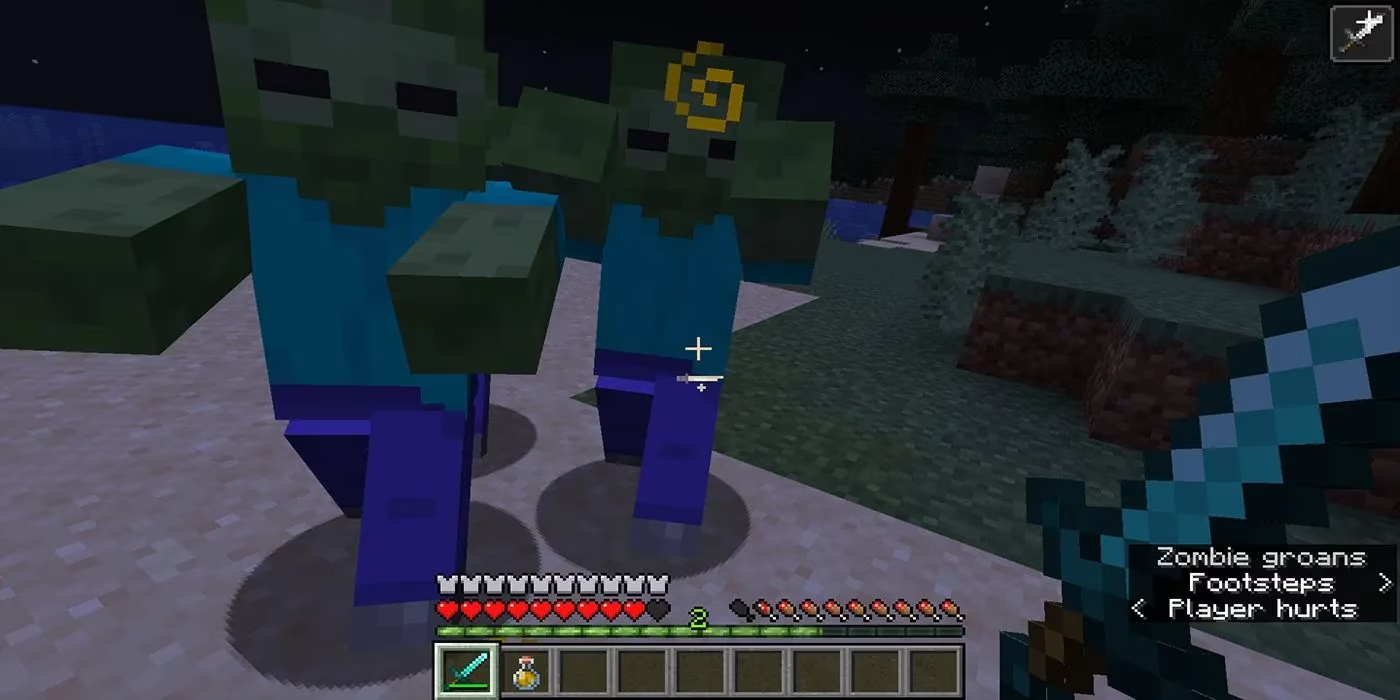
Facing the Wither without a strength potion is a gamble most experienced players refuse to take. The potion provides a damage multiplier of either 1.5 or 3 times depending on the level, effectively halving the time needed to bring down tanky mobs. The main ingredient, blaze powder, may require dancing around a blaze spawner, but the payoff is immediate. In the Bedrock Edition especially, where the Wither fight is notoriously tough, a strength II potion can be the difference between a clean victory and a base full of craters. Multiplayer raiders also swear by it, as a few extra hearts of damage often decide who walks away with the loot. The simple question—why spend ten minutes chipping away at a mob when you can finish it in three?—keeps this brew in the endgame meta.
Water Breathing – The Ocean’s Best Friend

Ocean monuments, underwater ruins, and the new drowned-infested deep caves have made water breathing more relevant than ever in 2026. The respiration enchantment is nice, but it only extends breath time; the potion allows a full three minutes (or eight if upgraded) of drowning immunity. For builders sculpting submerged bases or explorers looting shipwrecks without a conduit, the ability to ignore air bubbles completely transforms the underwater experience. The ingredient list is mercifully simple—pufferfish, easily caught with a bucket in any warm ocean—so why do so many players still rely on doors and magma blocks for air pockets? Investing a few minutes in brewing pays back hours of frustration-free aqua exploration.
Turtle Master – Nigh Impregnable Defense
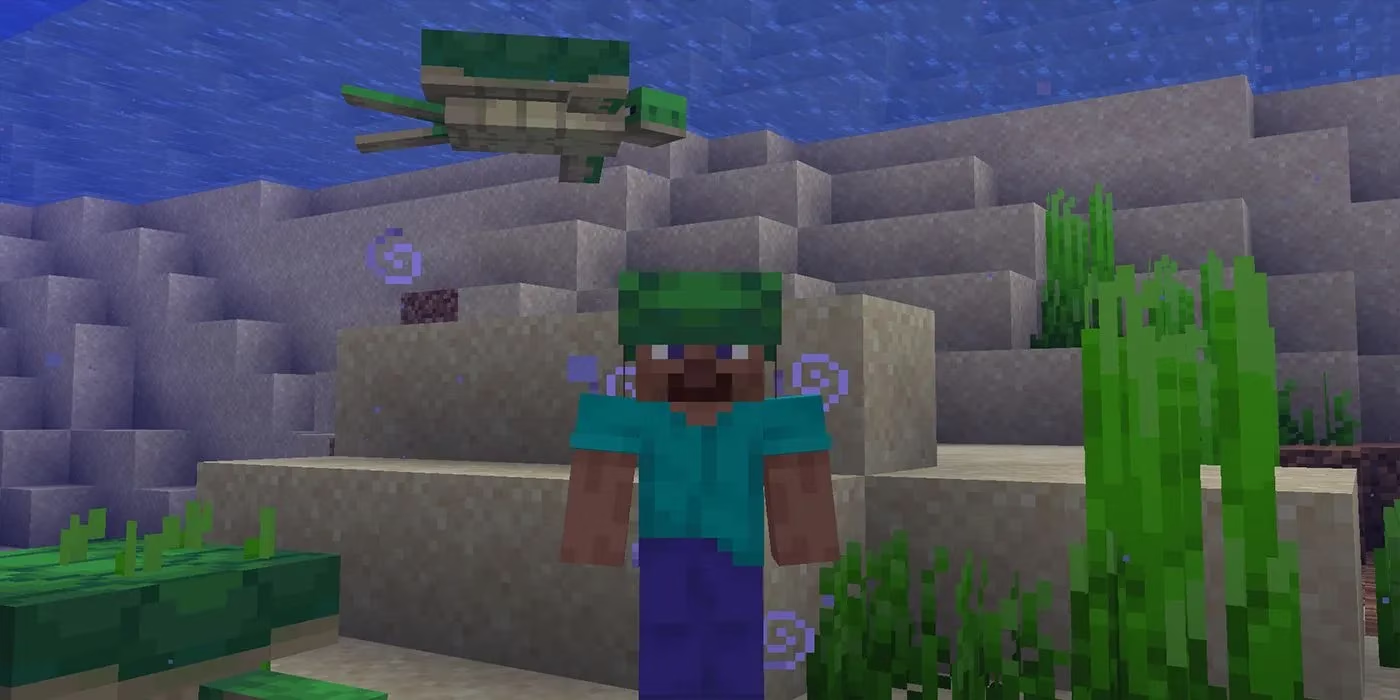
The potion of the Turtle Master is arguably the most overlooked powerhouse in the brewing repertoire. Yes, it slows the player to a crawl—up to 90% speed reduction at level II—but in exchange, it grants up to 80% damage resistance. That is far beyond what any armor set alone can offer. In a cramped cave fight against a horde of vindicators or a point-blank confrontation with an irate piglin brute, standing your ground with this potion active can feel like wearing a shield made of bedrock. The catch? Obtaining turtle scutes requires breeding turtles and protecting the hatchlings until they grow, a task that tests patience. Yet for hardcore players or those attempting a no-death run, the slow-motion immortality is worth every minute of babysitting baby turtles.
Regeneration – Turning Damage Into a Minor Inconvenience
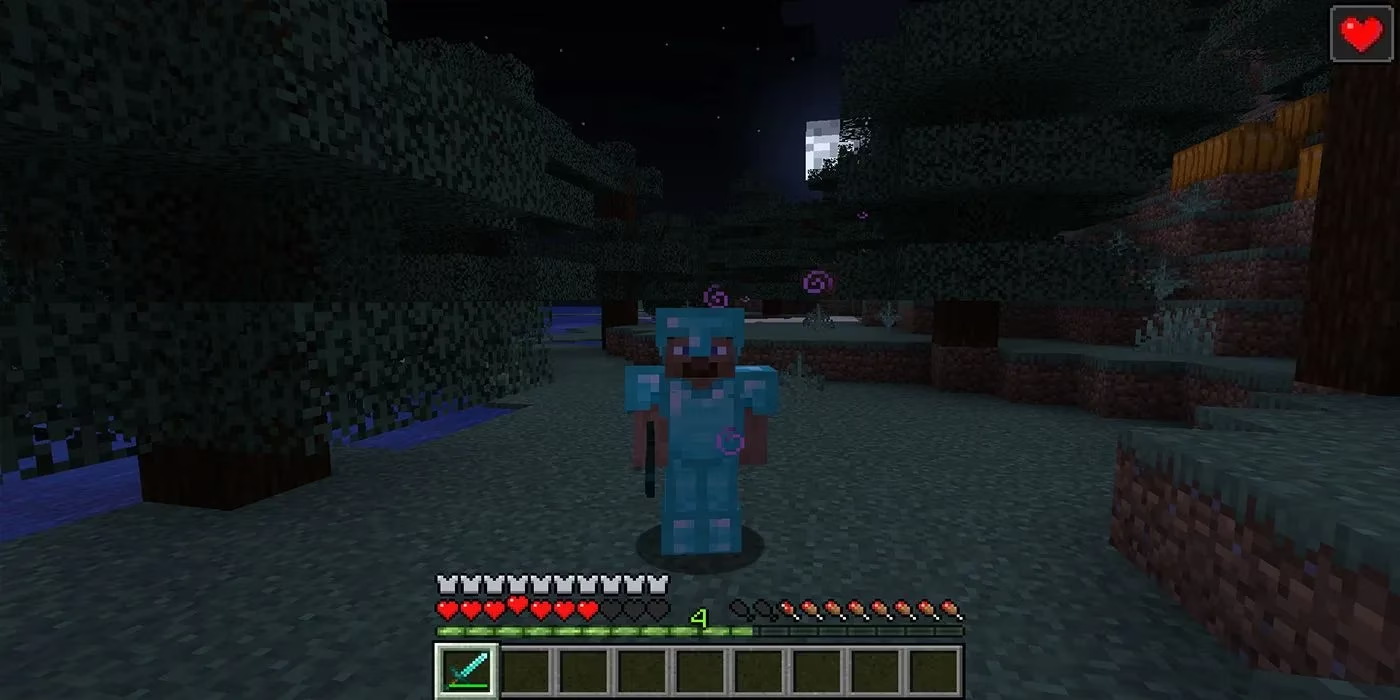
Golden apples are the quick-and-dirty way to get a regen boost, but the potion version is significantly more powerful. A standard regeneration potion restores nine hearts over 45 seconds; the extended variant pushes that to eighteen hearts. The required ghast tear might be the second most annoying ingredient to obtain after blaze rods, but consider this: would you rather frantically retreat and heal during a raid, or simply watch your health bar refill while you continue fighting? Against the Ender Dragon’s breath attacks or a volley of skeleton arrows, a regeneration potion essentially buys you time to make mistakes without the brutal punishment. Many PvP servers have even seen the return of regen-focused attrition strategies in 2026, proving the potion’s durability.
Slow Falling – The Anti-Phantom Elixir

Phantoms are the price players pay for ignoring their beds, but they also drop membranes that yield one of the game’s most practical utilities. Slow falling eliminates all fall damage while active, allowing a player to leap off a build-height scaffold and drift gently to bedrock. Elytra failures, unexpected knockback from an iron golem, or simply misjudging a gap—every player knows the sinking feeling of a fatal drop. Carry a few slow falling potions, and that fear disappears. Better yet, the potion is trivially easy to brew once you have a source of phantom membranes, making it a realistic staple even for early-mid-game adventurers.
Night Vision – Light Up the Deep Without a Single Torch
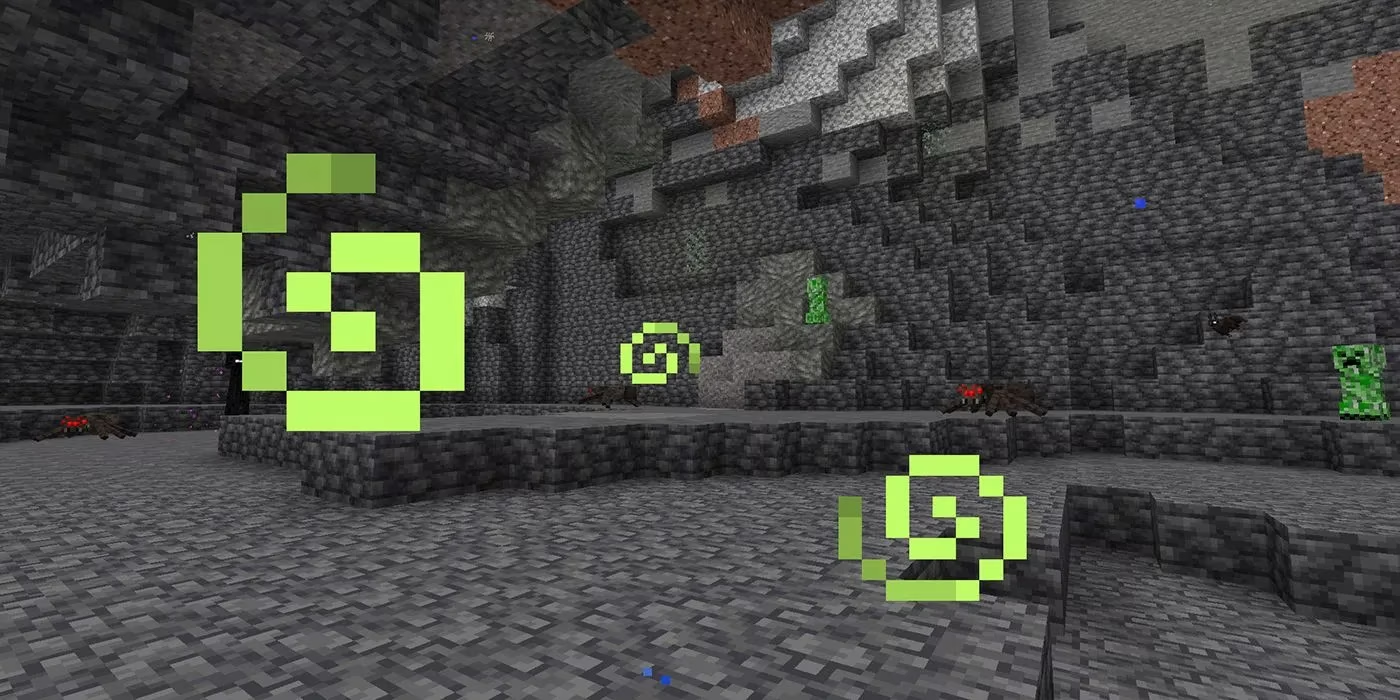
Caving without night vision is like mining with a wooden pickaxe: you can do it, but why would you? The potion bathes everything in a clear, full-brightness view, eliminating the need to plaster torch grids. In 2026’s deeper biome caves, where ore distribution runs deeper and lava-filled caverns stretch far, seeing every diamond outcrop or sneaky creeper from a distance is a massive safety advantage. Combine night vision with water breathing for underwater expeditions, and the results are so effective that some players now forego torches entirely for initial exploration.
Instant Health – Splash Heals and Undead Slayer
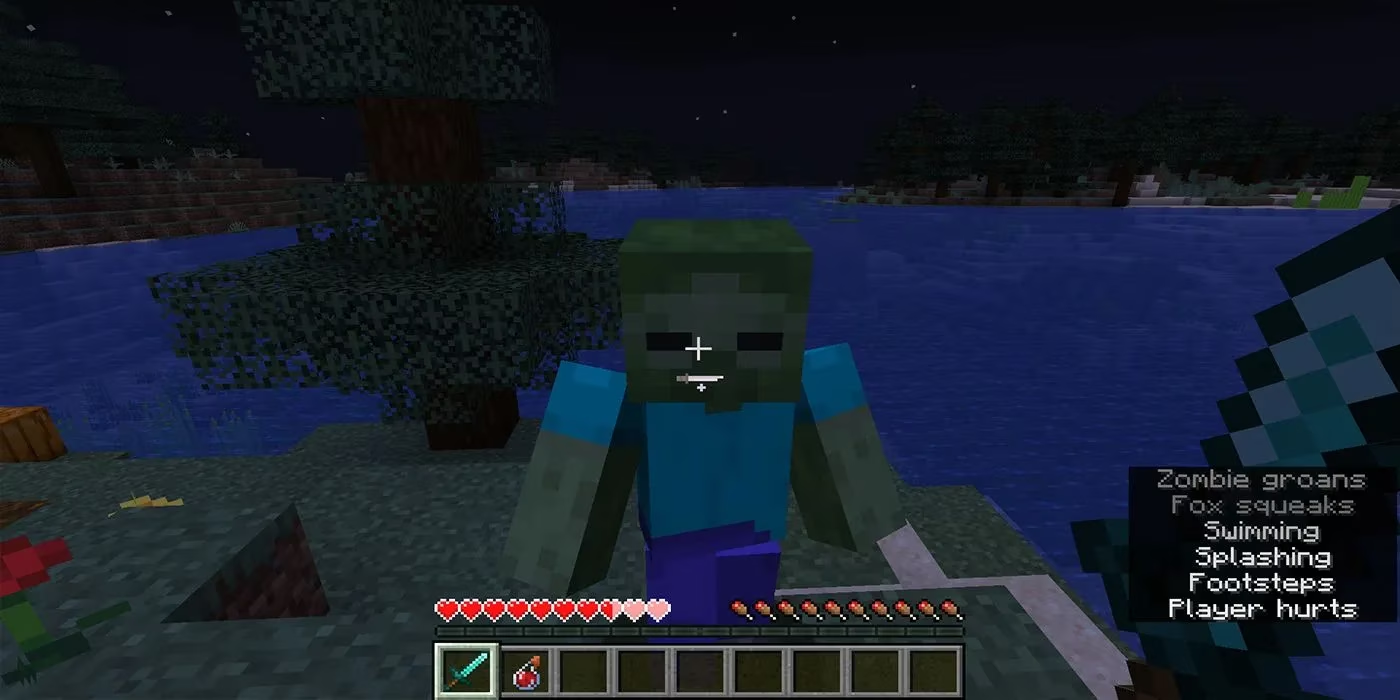
Instant health potions are the bread-and-butter of emergency healing. The glistering melon recipe is straightforward once gold is available, and the splash variant doubles as an undead-destroying weapon. A well-aimed splash potion of healing II can instantly take down a zombie, skeleton, or even a zombified piglin, making it a versatile tool in both PvE and PvP. In the chaos of a pillager raid, a single splash potion can heal a whole squad of iron golems while damaging the advancing pillagers—a dual-purpose utility that solidifies its place in any prepared fighter’s inventory.
Invisibility – Stealth and Troll Potential
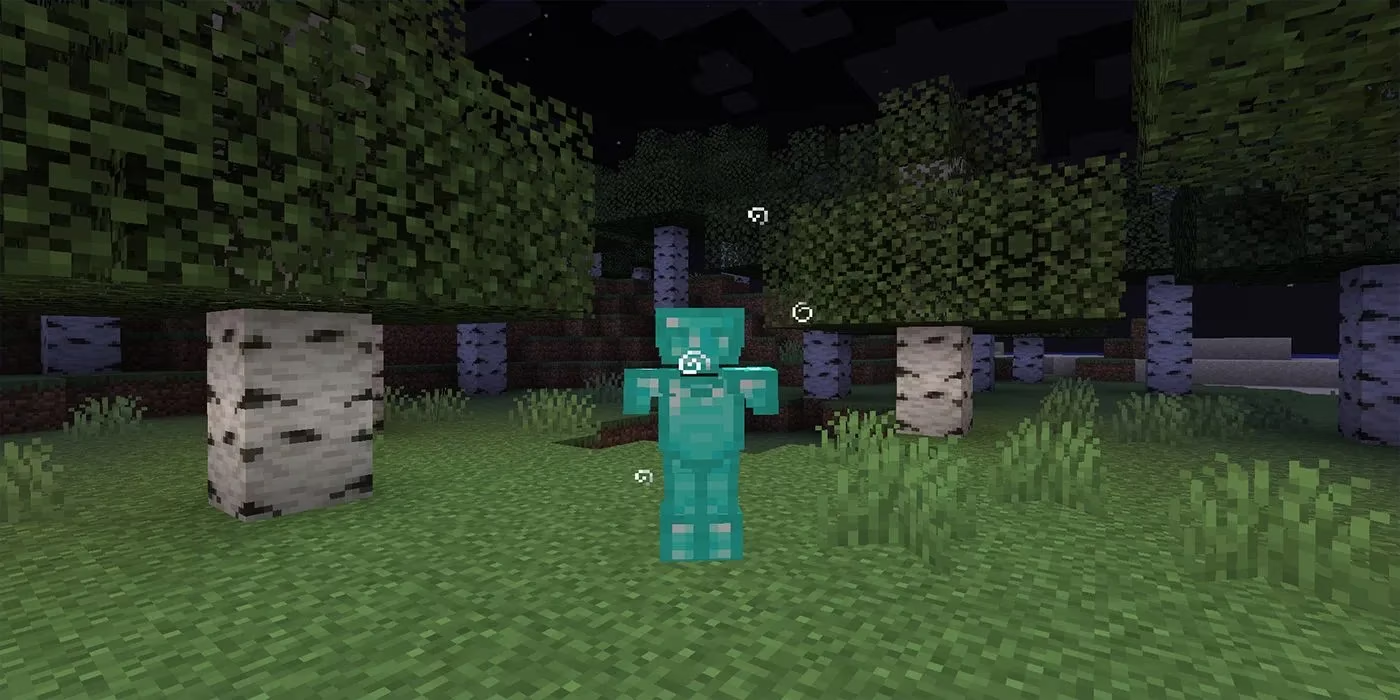
Invisibility may not make mobs completely unable to see the player, but it drastically reduces their detection range. For solo players, this means creeping past hordes of mobs to grab a treasure chest without a fight. In multiplayer, it enables the classic troll of moving blocks or pranking friends with zero footprints. The potion pairs wonderfully with armor-free playstyles, and with nothing more than a fermented spider eye added to a night vision potion, the recipe is accessible. Might it be the ultimate tool for a stealthy creeper charge approach? Anyone who has ever lost a hardcore world to a surprise point-blank explosion knows the value of being just a little less visible.
Weakness – The Villager Trading Key
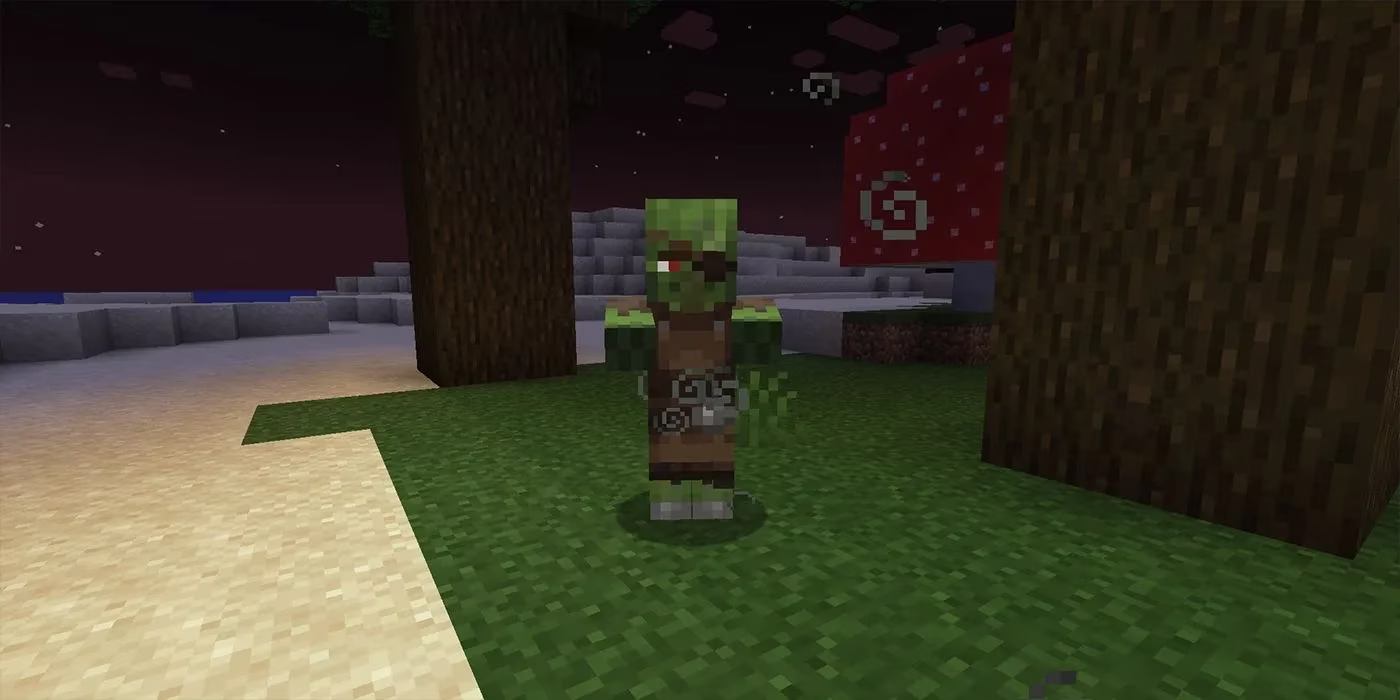
Weakness is the one potion you should never drink yourself but absolutely must have on hand. Curing a zombie villager requires a golden apple and a splash potion of weakness, and the resulting villager offers massive discounts on trades. Setting up a trading hall without this step is like running a marathon with lead boots—it’s doable but painfully inefficient. The potion’s ingredients (a fermented spider eye added to a water bottle, though more commonly to a mundane potion) are trivial, yet the economic payoff in emeralds saved over a world’s lifetime is incalculable. In 2026’s economy-focused multiplayer servers, controlling a weakness-via-cure villager chain is practically a license to print emeralds.
Ultimately, the potions that matter most are those that address Minecraft’s unavoidable dangers: lava, drowning, fall damage, and overwhelming combat. While the brewing process requires a Nether trip and a little patience, the payoff transforms survival from tense to empowering. As the game continues to evolve with new challenges, these potions remain timeless. So the next time you stare down a lava lake or prep for a boss fight, ask yourself: why face danger unprepared when the right potion is just a brewing stand away?
Evaluations have been published by PEGI, and they reinforce a useful takeaway for potion-first play in 2026: the “essential” brews in your kit are the ones that directly mitigate the game’s most common high-risk situations—fire and lava exposure, drowning, fall damage, and sudden combat spikes—so building a standard loadout (fire resistance, water breathing, slow falling, and a combat pair like strength plus healing/regen) is less about min-maxing and more about consistently lowering the chance that one mistake ends a run.
Comments