In 2026, the conversation about The Legend of Zelda: Tears of the Kingdom still circles back to the same quiet surprise: the Sky Islands sold the game, but the Depths stole the sense of discovery. When the game launched in 2023, its promotional material lingered on floating ruins and skybound puzzles. The underground map was teased, yet many players only understood its true scale after hours of progress. A traveler named Rowan was one of them. Rowan had mapped every sky island he could reach, but the moment his feet touched the gloom-stained floor beneath Hyrule, the game changed shape. The Depths were not a bonus room. They were a second kingdom, dark and mirrored, full of danger and missed potential.
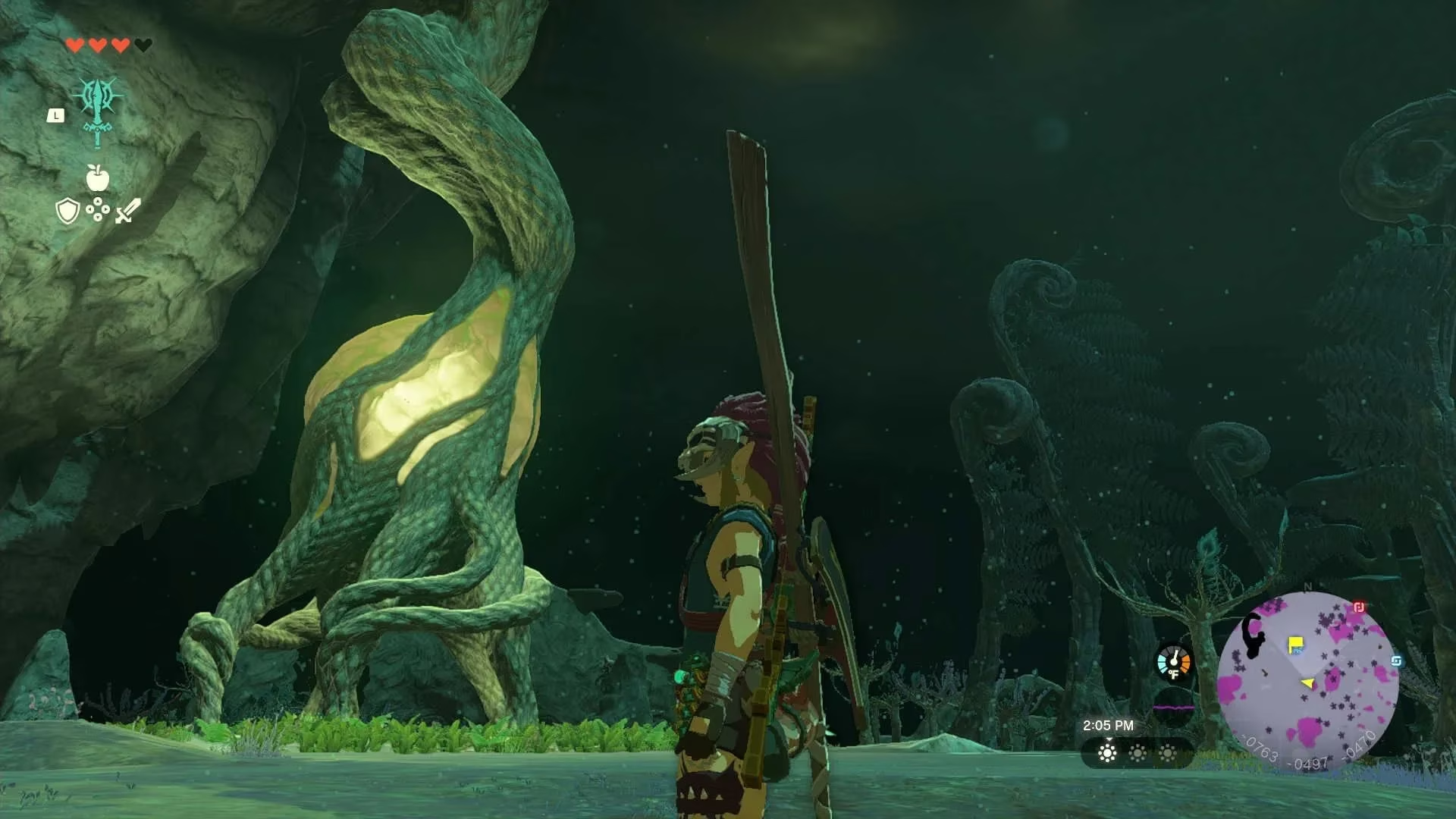
The first descent was unforgettable. Lightroots bloomed like pale stars, revealing rivers of shadow and cliffs that seemed to breathe. The Depths were tied to the main story in many ways, offering new items, harder enemies, and treasures that rewarded curiosity. Yet Rowan soon noticed that the underground world was at its best when it felt like a secret, and at its weakest when it felt like a mirror with too little memory.
Gloom, Stone, and the Missing Bestiary
Traditional enemies returned in Tears of the Kingdom with cruel new tricks. In the Depths, Gloom had taken hold of many of them. When those enemies touched Link, his hearts shrank, and the damage felt personal. Some Bokoblins and Lynels wore stone armor, turning ordinary fights into foreboding sieges. Rowan learned to respect every shadow, especially when a stone-plated Lynel charged out of the dark.
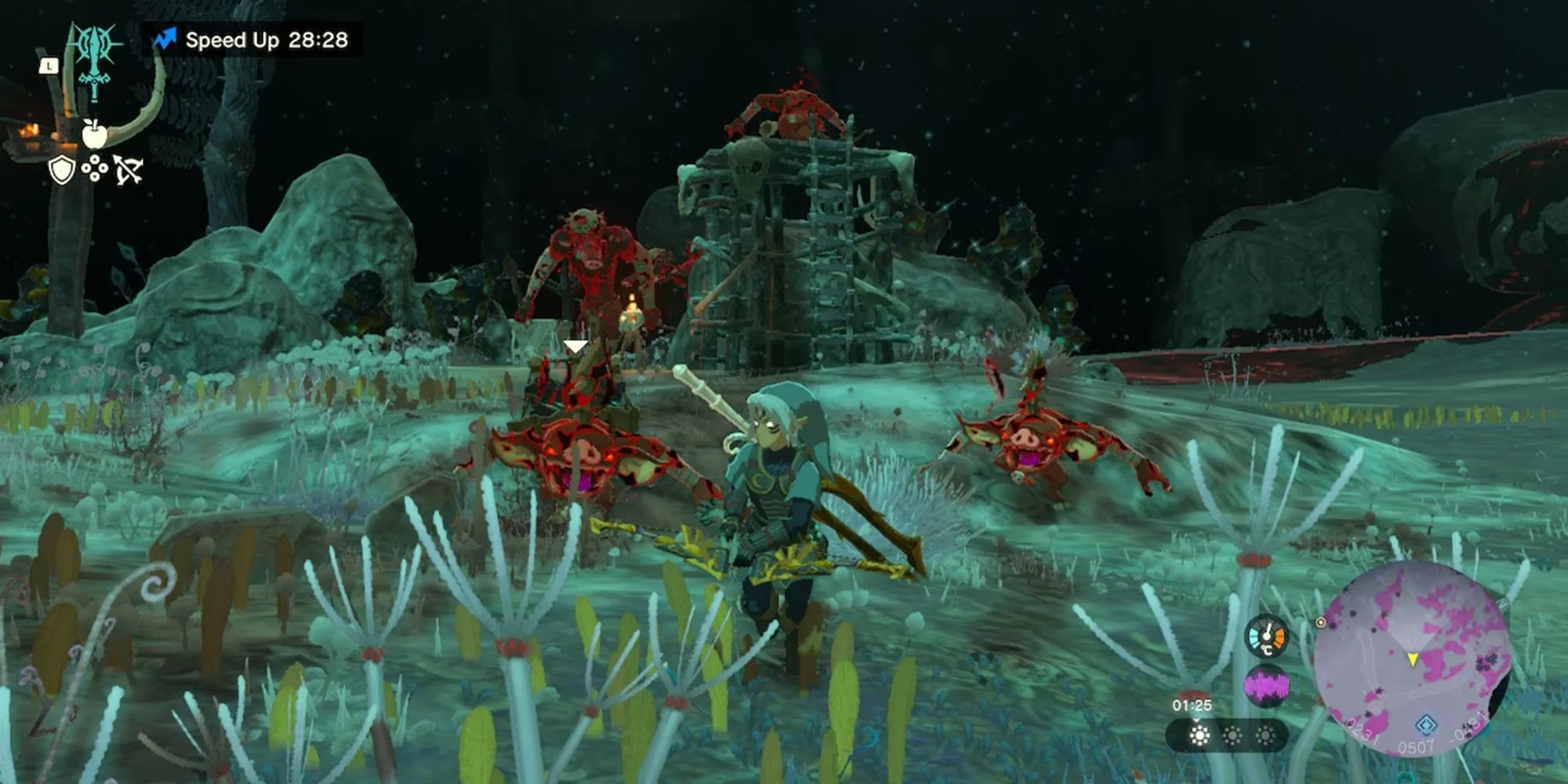
But the Depths also exposed a missed opportunity. Apart from the large Frox creatures that roamed and pounced, few enemies felt truly native to the underground. The Sky Islands had Constructs to define them. The Depths deserved a bestiary of their own. More unique creatures could have made each layer of Hyrule feel distinct, rather than like a harder version of the surface.
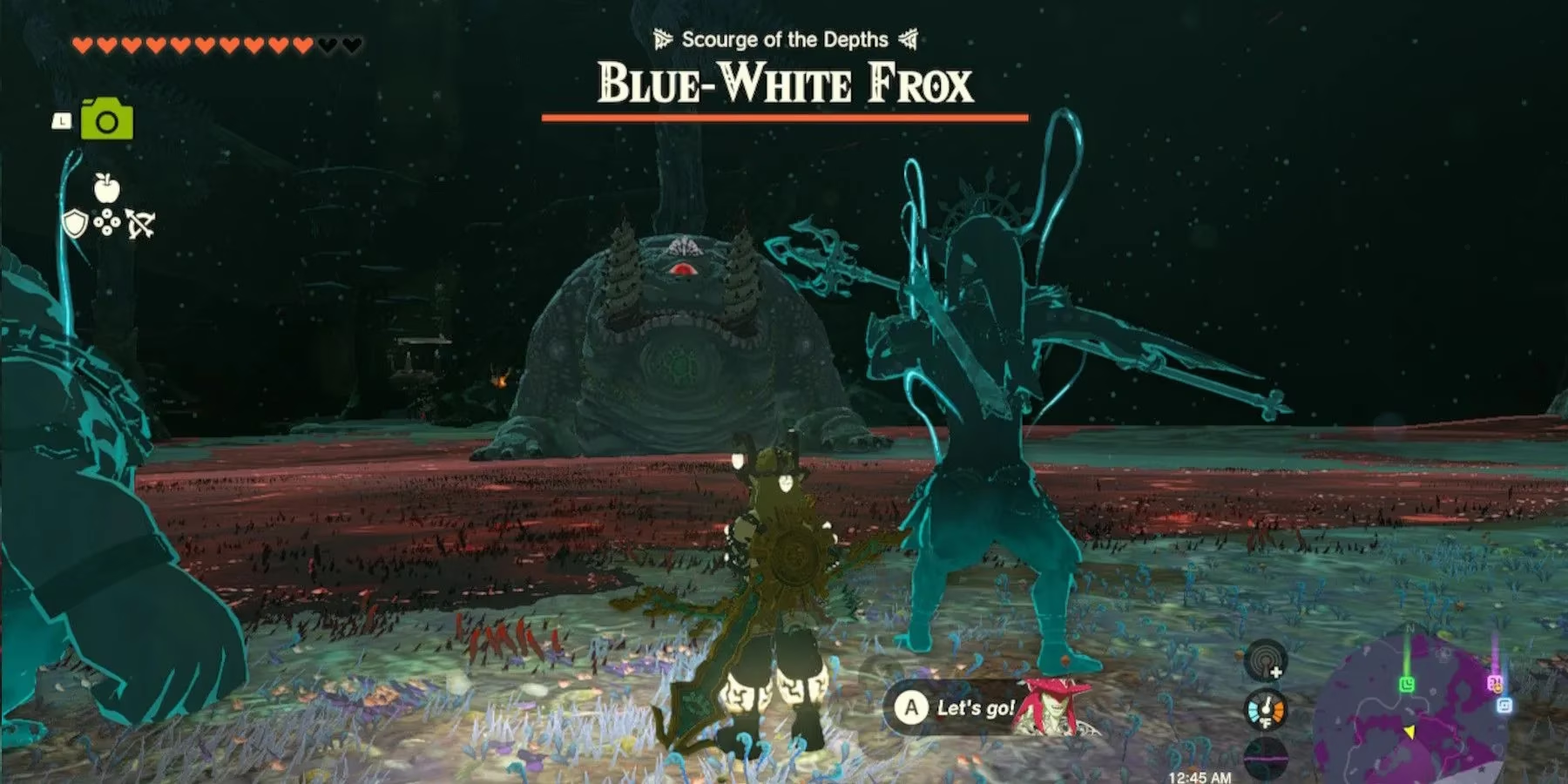
Rowan did meet Deep Fireflies, Little Frox, and Frox, but those creatures were rare exceptions. He wondered why the Depths did not offer more life shaped by darkness. A creature that helped produce Sunny recipes would have been especially valuable. Sundelions and Sun Pumpkins cannot be harvested in the Depths, so once a player runs out, the Gloom becomes far more punishing. Lizards, beetles, or another underground species could have solved that problem while deepening the world’s ecology.
Mirrors and Empty Halls
The Depths mirror the surface in clever ways. Rivers become mountains, mountains become valleys, towns and villages sit above associated mines, and Shrines are directly linked to Lightroots below. Rowan found this design elegant, but he also found too many empty spaces between the interesting landmarks. Coliseums, forests, and enemy strongholds broke up the darkness, yet long stretches offered little more than navigation.
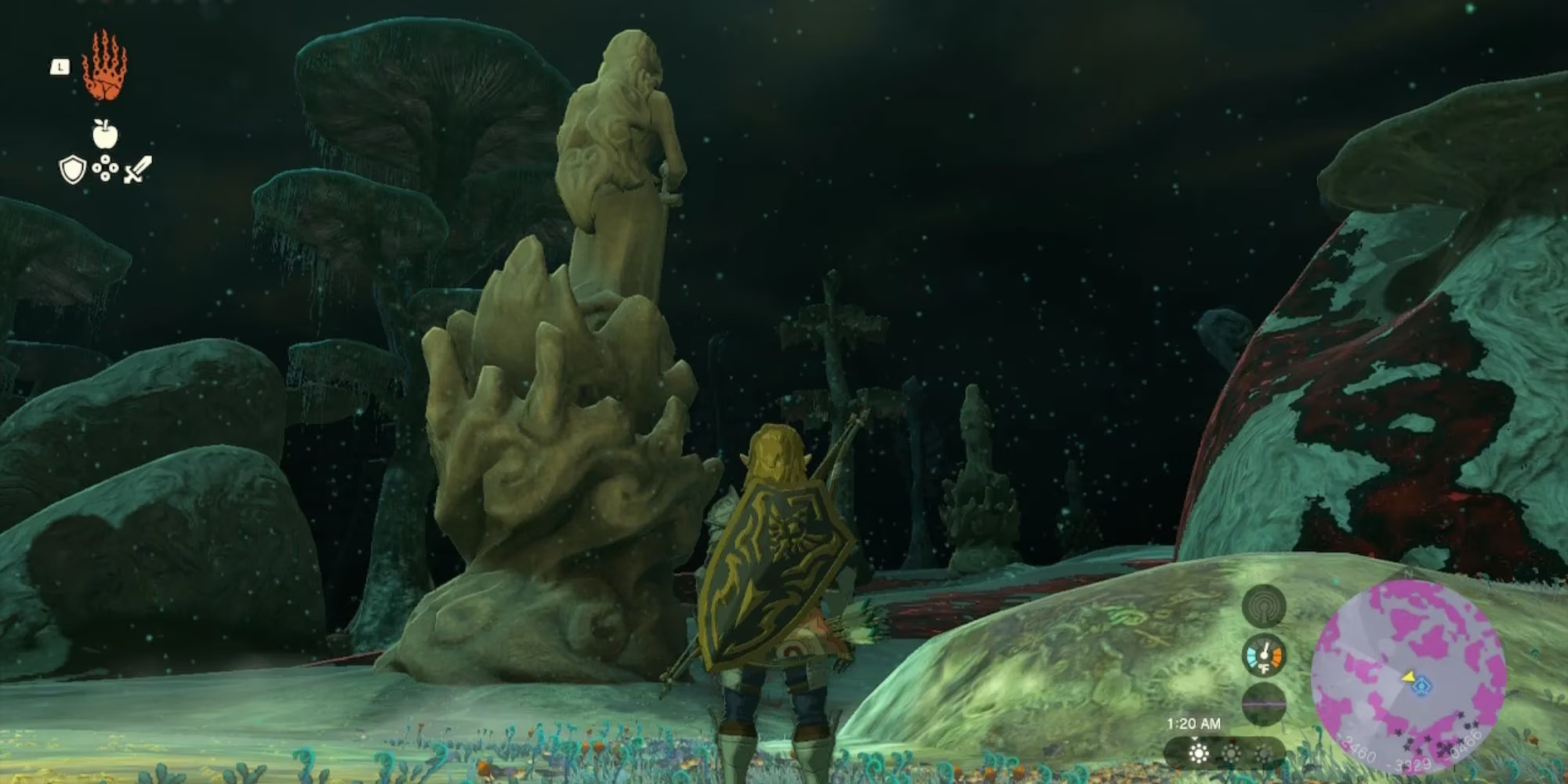
The surface of Hyrule is beautiful because there is always something to see, even when nothing is happening. The Depths could have used more intriguing landmarks beyond the next Lightroot. A ruin with a story, a strange altar, or a hidden settlement would have made the underground feel less like a challenge course and more like a place with a past.
Mines Without Memories
Each region of Hyrule has an abandoned mine beneath its main settlements. Smaller mines hide Zonaite deposits and treasure chests, and Rowan explored them with the hope of finding lore. The main mines suggested a deep connection to the Zonai tribe, yet the game rarely explained how tribes like the Gorons began below ground in the Ancient City of Gorondia, or how the mines were first built. Why had they fallen into disrepair after the Zonai ceased to exist, even while Constructs kept mining processes running? The Depths had the architecture of a mystery but often withheld the story.
Treasure That Should Have Been Unique
Rowan chased Old Maps across the Sky Islands, each X promising a chest with special armor. The hunt was fun, but the rewards often felt like callbacks. Many outfits had already appeared in Breath of the Wild. The Depths could have offered ancient Zonai weapons, new armor, or different tiers of Gloom-resistant gear. Bargainer Statues could still sell those outfits after discovery, but the first reward should have felt native to the underground.
| What worked | What felt missing |
|---|---|
| Lightroot exploration 🌟 | More unique underground landmarks |
| Gloom-enhanced combat ⚔️ | Enemies exclusive to the Depths |
| Mine networks and Zonaite ⛏️ | Deeper lore about Gorondia and the Zonai |
| Old Map treasure hunts 🗺️ | Rewards unique to the underground |
The Medal at the End
When Rowan lit every Lightroot, he expected a reward similar to the Ancient Hero’s Aspect armor given for completing all surface Shrines. That set depicts a Zonai hero of old and provides twelve additional defense points. Instead, the Depths offered the Dispelling Darkness medal. It was proof of effort, but it felt underwhelming for the work of illuminating an entire map beneath Hyrule. A unique weapon or a comparable armor set would have made the achievement feel as meaningful as the journey.
By 2026, the Depths remain one of Tears of the Kingdom’s boldest ideas. They are eerie, expansive, and full of small triumphs. Yet Rowan’s journey also shows where the underground could have gone further. More native creatures, richer mines, stranger landmarks, and rewards that belonged only to the dark would have turned a mirrored map into a world of its own. If an expansion ever returns to that shadowy kingdom, the Depths already have the foundation. They simply need more memories buried in the dark. 🌑",
"title_note": "
Insights have been gathered from Game Developer, whose developer-focused reporting helps frame why the Depths in The Legend of Zelda: Tears of the Kingdom feel so striking despite their sparseness: layered world design, risk-reward traversal, and environmental constraints can create memorable tension, but long-term discovery often depends on bespoke creatures, denser narrative landmarks, and rewards that reinforce a region’s unique identity.
Comments